Summer fun with the Puppy Pack!

Parents Corner

Thoughtful Stories Kids Enjoy—and Parents Can Feel Good About

Puppy Kisses combines fun, relatable adventures with thoughtfully structured short stories about school, friendship, and everyday challenges.

Every original Puppy Kisses story is written to be enjoyable on its own while also giving readers a clear example of how a complete short story comes together.

Why Puppy Kisses Stories Are Different

Relatable Themes

The Puppy Pack faces the kinds of moments readers recognize—making friends, building confidence, handling mistakes, showing courage, including others, and working through everyday challenges.

Familiar characters and meaningful themes help make each new story easy to connect with and worth coming back to.

Have 5 minutes? Listen to our Parent Overview and discover how Puppy Kisses can help turn readers into storytellers.

1
2

Modeling Good Storytelling

Children learn by seeing good examples.

Every Puppy Kisses story is intentionally structured around the building blocks that make a story work—characters, setting, goals, challenges, choices, consequences, and resolution. Most stories follow our deeper 10-part short-story framework, while Early Reader stories use a simpler structure designed for beginning readers.

The more good stories they read, the more examples they have when they begin creating stories of their own.

Find the Right Story

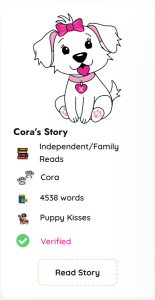
Puppy Kisses story tile example

Our FREE Story Library makes it easy to choose an adventure that fits the reader.

Each story card includes helpful information such as reading level, featured characters, and word count, so you can quickly find the right place to start.

Early Readers

Shorter stories with approachable language and familiar Puppy Pack adventures.

Confident Readers

Longer stories with more developed plots, characters, and challenges.

Independent & Family Reads

Stories that offer more depth for independent readers or reading together.

3
4

Stories Worth Talking About

Puppy Kisses stories are meant to be fun first—but the adventure often creates a natural opportunity to talk.

A character may face a friendship problem, make a mistake, find the courage to try something new, or discover a different way to see a situation.

You don’t need a lesson plan. Sometimes one simple question is enough:

What would you have done?
Why do you think the character made that choice?
How might the story have ended differently?

A good story can open the door to a good conversation.

The Puppy Kisses Story Promise

We want families to feel comfortable exploring the Puppy Kisses Story Library.

Every story submitted to the library is reviewed for positive, age-appropriate content before publication.

Original Puppy Kisses stories and approved partner stories may also display the Puppy Kisses Verified badge, identifying stories created or reviewed to meet our storytelling and content standards.

Community Stories give young writers an opportunity to share their creativity while providing even more inspiration for others to read and create.

From Reader to Storyteller

Reading thoughtfully structured stories is a great place to start. When you’re ready to take the next step, the Puppy Kisses Short Story Builders make it easy to turn a weekend afternoon, quiet family time, or rainy day into a fun storytelling activity you can do together.


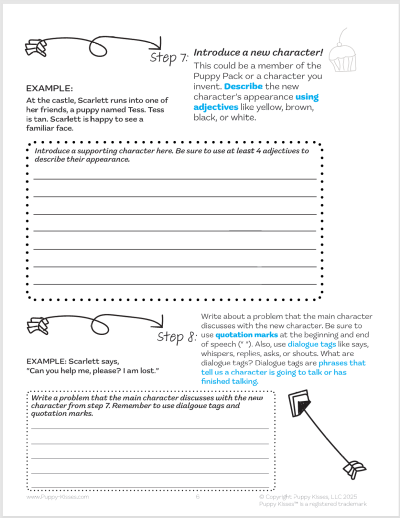
Puppy Kisses Story Builder writing page example

You don’t need to be a teacher—or know anything about teaching story writing. Each Builder uses simple step-by-step instructions, playful doodles, and easy-to-follow examples to guide the process from the first idea to a finished short story.

The structure does the teaching while you get to encourage the ideas, ask questions, laugh at the possibilities, and enjoy creating something together.

Simple Enough to Be Fun. Structured Enough to Really Teach.

Each Story Builder walks through the important parts of creating a short story, using the same storytelling principles readers see modeled in Puppy Kisses stories.

Instead of staring at a blank page, writers are guided one step at a time as they explore questions such as:

  • Who is the story about?
  • Where does it happen?
  • What does the character want?
  • What challenge gets in the way?
  • What choices does the character make?
  • How does everything come together in the end?

Examples along the way show what each step can look like, while leaving plenty of room for imagination and original ideas.

The result is an activity that feels creative rather than like homework, while still teaching sound short-story structure—and giving parents an easy way to participate in the process.

Back to Top